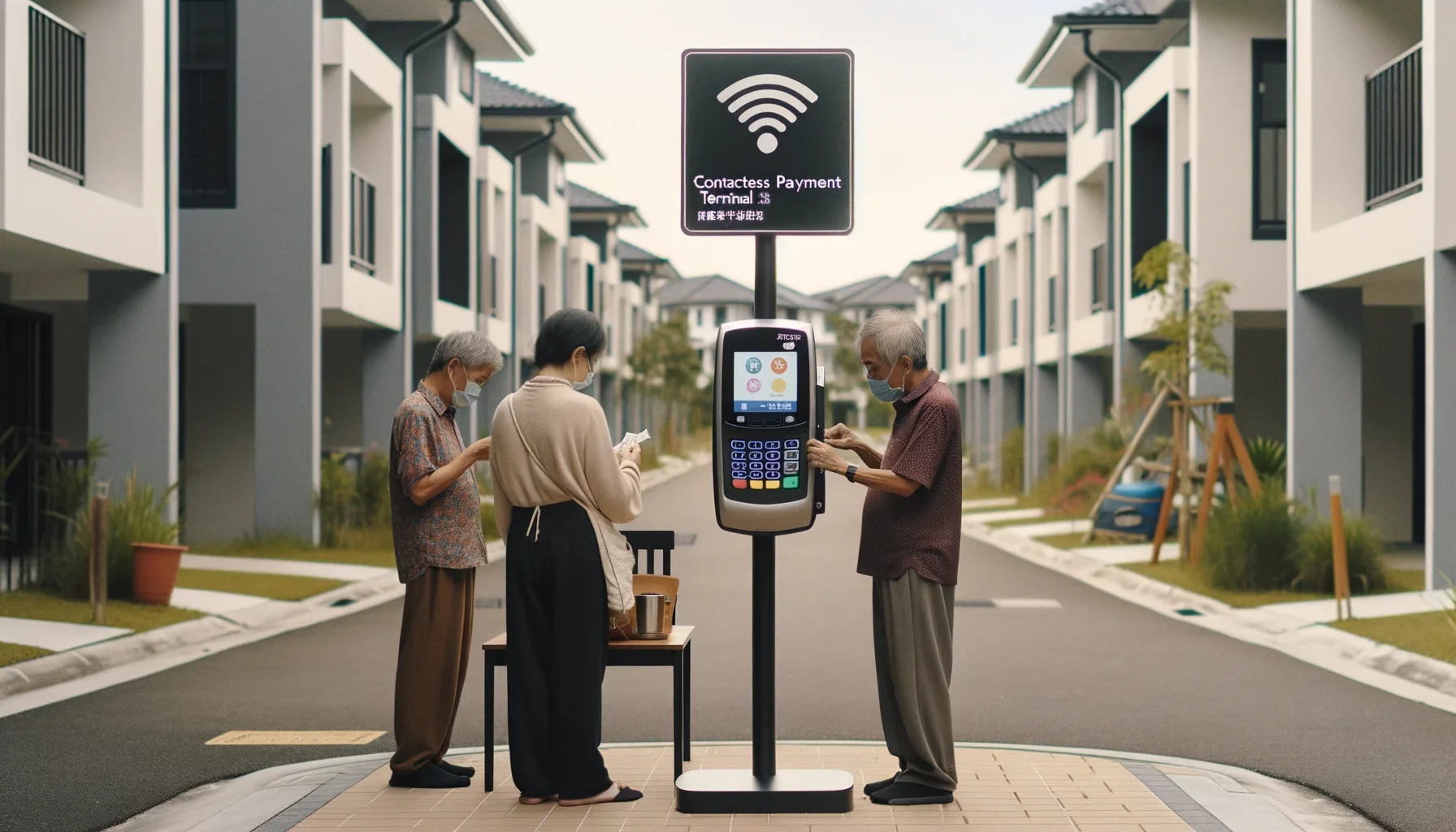
The retail sector is experiencing a fundamental shift as digital payment technologies reshape how consumers and businesses handle transactions. From contactless cards to mobile wallets, cryptocurrency payments to biometric authentication, these innovations are creating new possibilities for seamless commerce while addressing long-standing challenges in payment processing.
New Zealand retailers are adapting quickly to these changes, driven by consumer demand for convenience, security, and choice. The COVID-19 pandemic accelerated this transformation, with contactless payments becoming the norm rather than the exception. Today’s payment ecosystem extends far beyond traditional cash and card transactions, encompassing a diverse range of technologies that promise to make purchasing faster, safer, and more personalised.
Understanding these emerging payment technologies is essential for retail businesses seeking to remain competitive and meet evolving customer expectations. The right payment strategy can improve cash flow, reduce operational costs, and enhance customer satisfaction while opening new revenue streams and market opportunities.
Contactless payment technology has become ubiquitous across New Zealand retail environments. Near Field Communication (NFC) enables customers to complete transactions by simply tapping their card, smartphone, or wearable device against a payment terminal. This technology reduces transaction times, minimises physical contact, and creates a smoother checkout experience.
Mobile payment platforms like Apple Pay, Google Pay, and Samsung Pay have gained significant traction among consumers. These digital wallets store multiple payment methods securely on mobile devices, allowing users to switch between cards without carrying physical wallets. The integration of loyalty programmes, coupons, and receipts within these platforms creates additional value for both retailers and customers.
Quick Response (QR) code payments represent another growing segment of the mobile payment market. Customers can scan QR codes displayed at checkout or on product displays to initiate payments through banking apps or dedicated payment platforms. This method requires minimal infrastructure investment from retailers while providing customers with familiar smartphone-based interactions.
Biometric payment authentication is emerging as a powerful tool for enhancing transaction security while maintaining user convenience. Fingerprint recognition, facial recognition, and voice authentication technologies are being integrated into payment systems to verify customer identity without requiring passwords, PINs, or signatures.
Mastercard and Visa have pioneered biometric payment cards that incorporate fingerprint sensors directly into the card surface. These cards authenticate users through fingerprint recognition, eliminating the need for PIN entry on contactless transactions above traditional limits. Early trials suggest strong consumer acceptance and improved security outcomes.
Retail environments are experimenting with facial recognition payment systems that identify customers and process payments without requiring any physical interaction with payment devices. While these systems offer unprecedented convenience, they also raise important privacy considerations that retailers must address through transparent data handling practices and customer consent mechanisms.
Cryptocurrency payments are gaining acceptance among forward-thinking retailers who recognise the potential of digital currencies to attract tech-savvy customers and reduce payment processing costs. Bitcoin, Ethereum, and other established cryptocurrencies can be integrated into existing point-of-sale systems through specialised payment processors.
Central Bank Digital Currencies (CBDCs) represent a significant development in the digital payment space. The Reserve Bank is actively researching the potential for a digital New Zealand dollar, which could provide the stability of traditional currency with the efficiency of digital transactions. Such developments could reshape retail payment processing fundamentally.
Stablecoin payments offer a middle ground between traditional currencies and volatile cryptocurrencies. These digital tokens maintain stable values by backing themselves with fiat currencies or other assets, making them more suitable for everyday retail transactions while retaining the benefits of blockchain technology.
Buy Now Pay Later (BNPL) services have exploded in popularity, particularly among younger consumers who prefer flexible payment options over traditional credit products. Platforms like Afterpay, Zip, and Laybuy allow customers to split purchases into interest-free instalments, increasing purchasing power and enabling larger transactions.
These services benefit retailers through increased average order values, higher conversion rates, and access to younger demographics who might otherwise avoid credit-based purchases. BNPL providers typically handle credit risk assessment and collection processes, reducing administrative burden on retail businesses.
Subscription-based payment models are expanding beyond traditional service industries into retail sectors. Customers can establish recurring payments for regular purchases, creating predictable revenue streams for retailers while offering convenience and potential cost savings for consumers.

AI-powered payment systems are enhancing fraud detection capabilities while streamlining legitimate transactions. Machine learning algorithms analyse transaction patterns, customer behaviour, and risk indicators in real-time to identify potentially fraudulent activities without disrupting genuine purchases.
Predictive analytics help retailers optimise payment processing by identifying peak transaction periods, preferred payment methods among different customer segments, and potential system bottlenecks. This information enables better resource allocation and improved customer experiences during busy periods.
Personalised payment recommendations use AI to suggest optimal payment methods based on individual customer preferences, purchase history, and available promotional offers. These systems can encourage use of preferred payment methods while maximising value for customers through targeted incentives.
Successfully implementing new payment technologies requires careful planning and consideration of existing systems, customer preferences, and operational requirements. Retailers must evaluate compatibility between new payment methods and current point-of-sale infrastructure, ensuring seamless integration without disrupting ongoing operations.
Staff training becomes critical when introducing new payment technologies. Employees need to understand how different payment methods work, troubleshoot common issues, and assist customers who may be unfamiliar with emerging technologies. Comprehensive training programmes ensure smooth adoption and positive customer experiences.
Security considerations must guide every aspect of payment technology implementation. Retailers need to understand compliance requirements, data protection obligations, and risk management strategies associated with different payment methods. Regular security audits and updates help maintain customer trust and regulatory compliance.
Internet of Things (IoT) payments are creating opportunities for automated transactions through connected devices. Smart appliances, vehicles, and wearable devices can initiate payments autonomously when certain conditions are met, creating new possibilities for seamless commerce experiences.
Voice-activated payments through smart speakers and virtual assistants are gaining traction in residential and commercial environments. Customers can complete purchases through voice commands, with authentication handled through voice recognition technology and linked payment accounts.
Augmented reality and virtual reality payment systems are being developed to facilitate transactions within immersive digital environments. These technologies could enable new forms of retail experiences where customers can browse, try, and purchase products in virtual spaces with integrated payment processing.
The evolution of digital payment technologies presents both opportunities and challenges for New Zealand retailers. Success requires staying informed about emerging trends, carefully evaluating new technologies against business objectives, and maintaining focus on customer needs and security requirements. Retailers who embrace appropriate payment innovations while managing associated risks will be best positioned to thrive in an increasingly digital commerce environment.
This article is proudly brought to you by the Digital Frontier Hub, where we explore tomorrow’s business solutions and cutting-edge technologies. Through our in-depth resources and expert insights, we’re dedicated to helping businesses navigate the evolving digital landscape across New Zealand and beyond. Explore our latest posts and stay informed with the best in Artificial Intelligence, E-commerce, Cybersecurity, Digital Marketing & Analytics, Business Technology & Innovation, and Cloud Computing!
callum_vid says:
The biometric auth stuff feels a bit overblown for most NZ retailers tbh. Yeah it’s secure and all, but I reckon adoption’s gonna be slower than people think when you’ve still got heaps of customers who just want to tap their card and move on. The real game seems to be sorting out the backend infrastructure before we get too fancy with the front-end tech.
Luke M. says:
Seen the same thing happen out here with farm equipment suppliers trying to push fancy tech on folks who just want something that works. Backend stuff matters way more than flashy features on the front, especially when half your customer base still prefers doing things the old way. Get the plumbing right first, then worry about the bells and whistles.