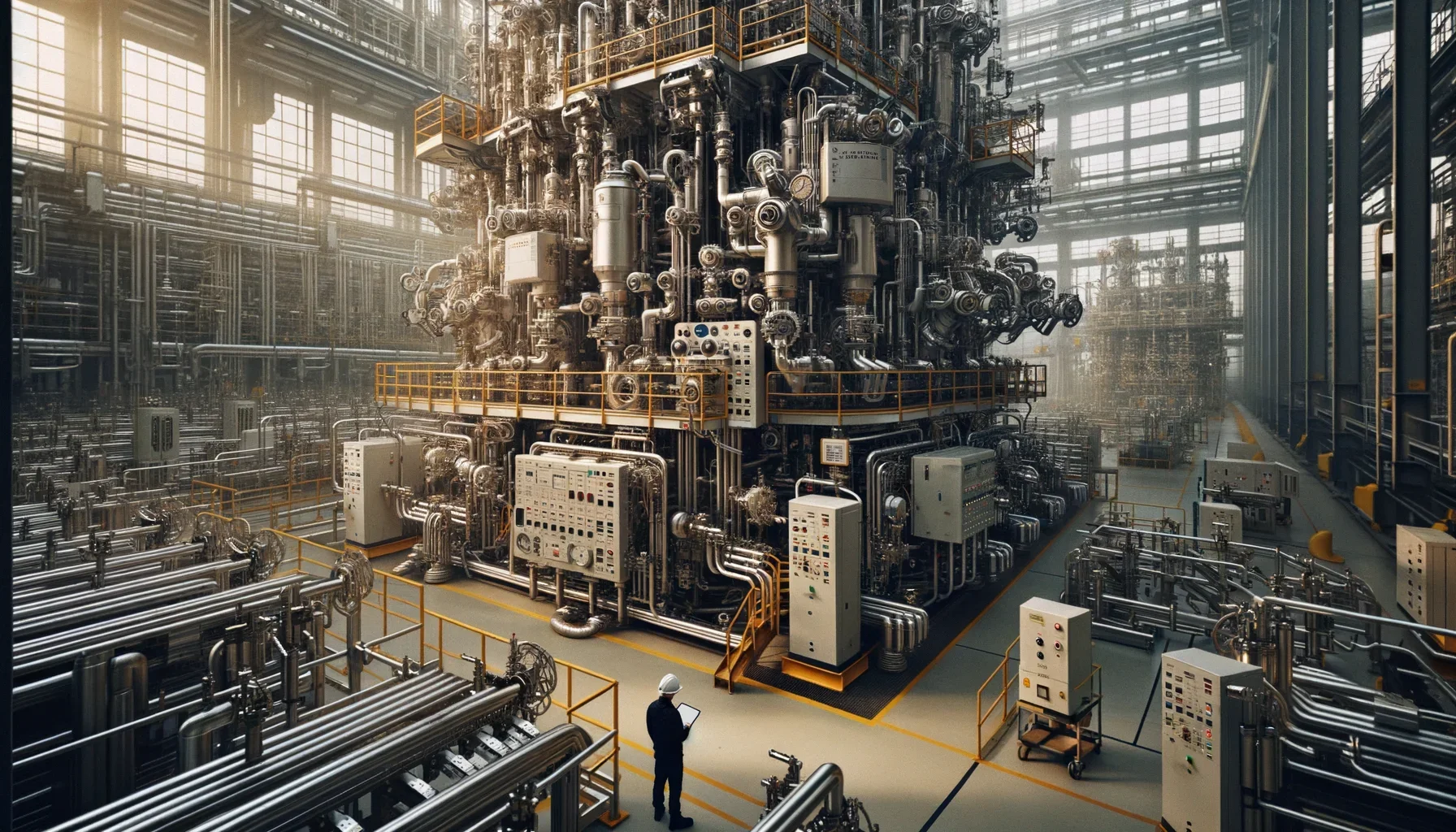
New Zealand’s manufacturing and industrial sectors are experiencing a significant shift as artificial intelligence transforms how companies maintain their equipment and machinery. Predictive maintenance powered by AI is moving beyond theoretical applications to become a practical necessity for businesses seeking to reduce downtime, minimise costs, and improve operational efficiency.
Traditional maintenance approaches in New Zealand industry have relied heavily on reactive fixes or scheduled preventive maintenance. However, these methods often result in unnecessary maintenance costs or unexpected equipment failures that can halt production lines for days. AI-powered predictive maintenance offers a smarter alternative by analysing real-time data to predict when equipment is likely to fail before it actually does.
The technology combines machine learning algorithms with Internet of Things sensors to continuously monitor equipment conditions. These systems track variables such as temperature, vibration, pressure, and acoustic patterns to identify subtle changes that indicate potential problems. For New Zealand businesses, this represents an opportunity to dramatically reduce maintenance costs while improving equipment reliability.
AI predictive maintenance systems operate by collecting vast amounts of data from sensors attached to machinery and equipment. These sensors monitor dozens of parameters simultaneously, creating a detailed picture of how equipment behaves under normal operating conditions. Machine learning algorithms then analyse this baseline data to establish normal operating patterns for each piece of equipment.
When the system detects deviations from these normal patterns, it can predict potential failures weeks or months in advance. The algorithms become more accurate over time as they process more data and learn from actual equipment behaviour. This continuous improvement means the system becomes increasingly valuable as it matures within an organisation.
Advanced AI systems can even recommend specific maintenance actions based on the type of anomaly detected. For example, if vibration patterns suggest bearing wear in a motor, the system might recommend bearing replacement during the next scheduled maintenance window rather than waiting for complete failure.
Many New Zealand companies face significant challenges when implementing AI predictive maintenance systems. The initial investment in sensors, software, and training can be substantial, particularly for smaller manufacturers. However, the return on investment typically becomes apparent within 12 to 18 months through reduced downtime and lower maintenance costs.
Data integration presents another common hurdle. Many industrial facilities operate with a mix of older and newer equipment, making it challenging to create a unified monitoring system. Successful implementations often require a phased approach, starting with critical equipment and gradually expanding coverage across the facility.
Staff training is equally important for successful adoption. Maintenance teams need to understand how to interpret AI recommendations and integrate them with existing maintenance procedures. Companies that invest in proper training programmes typically see much higher success rates with their predictive maintenance initiatives.
New Zealand companies implementing AI predictive maintenance are reporting significant improvements in operational efficiency. Manufacturing facilities have reduced unplanned downtime by up to 50%, while maintenance costs have decreased by 20-30% in many cases. These improvements directly impact the bottom line, making businesses more competitive in both domestic and export markets.
The dairy industry, which is crucial to New Zealand’s economy, has seen particularly strong results. Processing plants using AI predictive maintenance have reduced equipment failures during peak seasonal periods, ensuring consistent production capacity when it’s needed most. This reliability is essential for maintaining New Zealand’s reputation as a reliable supplier to international markets.
Energy efficiency improvements represent another significant benefit. AI systems can identify equipment operating outside optimal parameters, allowing for adjustments that reduce energy consumption. For energy-intensive industries, these savings can be substantial, particularly as electricity costs continue to rise.
Different industries in New Zealand are finding unique applications for AI predictive maintenance. In the forestry sector, sawmill operators use AI to monitor blade condition and lumber processing equipment, reducing waste and improving cut quality. The technology helps predict when saw blades need sharpening or replacement, maintaining consistent product quality.
Food processing companies are using AI systems to monitor refrigeration equipment, packaging machinery, and conveyor systems. Given the strict food safety requirements in New Zealand, the ability to predict and prevent equipment failures is particularly valuable for maintaining compliance with regulatory standards.
Mining operations are implementing AI predictive maintenance for heavy machinery such as excavators, conveyor belts, and processing equipment. The harsh operating conditions in New Zealand’s mining sector make equipment reliability crucial for maintaining production schedules and worker safety.
Wine producers are adopting the technology to monitor fermentation equipment, bottling lines, and climate control systems. The precision required in winemaking makes predictive maintenance particularly valuable for maintaining consistent product quality throughout the production process.

Modern AI predictive maintenance systems are increasingly integrating with other business technologies to provide broader operational insights. Integration with enterprise resource planning systems allows maintenance predictions to influence production scheduling and inventory management. When the AI system predicts a potential equipment failure, it can automatically adjust production schedules and trigger parts ordering processes.
Cloud computing is making these systems more accessible to smaller New Zealand businesses. Cloud-based solutions reduce the need for significant on-site IT infrastructure while providing access to advanced AI capabilities that would be prohibitively expensive for individual companies to develop internally.
Mobile applications are improving the usability of predictive maintenance systems for field technicians. Maintenance personnel can receive real-time alerts on their smartphones or tablets, complete with detailed information about the predicted issue and recommended actions. This mobility is particularly valuable for companies with multiple sites or remote operations.
The financial case for AI predictive maintenance is becoming increasingly compelling for New Zealand businesses. Initial implementation costs typically range from $50,000 to $500,000 depending on the size and complexity of the operation. However, the return on investment can be substantial when considering the costs of unplanned downtime.
A single day of unplanned downtime can cost a medium-sized manufacturing facility between $10,000 and $50,000 in lost production, emergency repairs, and overtime labour. Companies implementing AI predictive maintenance often reduce unplanned downtime events by 70% or more, making the business case clear even for conservative estimates.
Maintenance labour costs also decrease as teams can focus on planned maintenance activities rather than emergency repairs. This shift allows for better resource allocation and improved safety outcomes, as planned maintenance work is inherently safer than emergency repairs under pressure.
Successful AI predictive maintenance implementations in New Zealand typically follow several best practices. Starting with a pilot programme on critical equipment allows companies to demonstrate value before committing to facility-wide deployment. This approach also provides valuable learning opportunities that inform broader implementation strategies.
Data quality is fundamental to success. Companies must ensure sensors are properly calibrated and positioned to provide accurate, consistent data. Regular sensor maintenance and calibration schedules are essential for maintaining system accuracy over time.
Change management is equally important. Maintenance teams need time to adapt to new ways of working, and clear communication about the benefits and limitations of AI systems helps build confidence and adoption. Regular training updates keep teams current with system capabilities and best practices.
AI-powered predictive maintenance represents a significant opportunity for New Zealand businesses to improve operational efficiency while reducing costs. As the technology continues to mature and become more accessible, companies that adopt these systems early will gain competitive advantages through improved reliability, reduced downtime, and optimised maintenance spending. The key to success lies in careful planning, proper implementation, and ongoing commitment to data quality and staff training.
This article is proudly brought to you by the Digital Frontier Hub, where we explore tomorrow’s business solutions and cutting-edge technologies. Through our in-depth resources and expert insights, we’re dedicated to helping businesses navigate the evolving digital landscape across New Zealand and beyond. Explore our latest posts and stay informed with the best in Artificial Intelligence, E-commerce, Cybersecurity, Digital Marketing & Analytics, Business Technology & Innovation, and Cloud Computing!
Luke M. says:
Sounds reasonable enough, but I reckon you need the right data feeding into these systems first. Garbage in, garbage out as they say. Most places I know haven’t got their sensor networks sorted properly yet, so the AI’s only working with half the picture.
Tania R. says:
Fair point about the data side of things, but I’m curious whether these systems can flag when your sensor network’s dodgy enough that you shouldn’t trust the predictions at all.