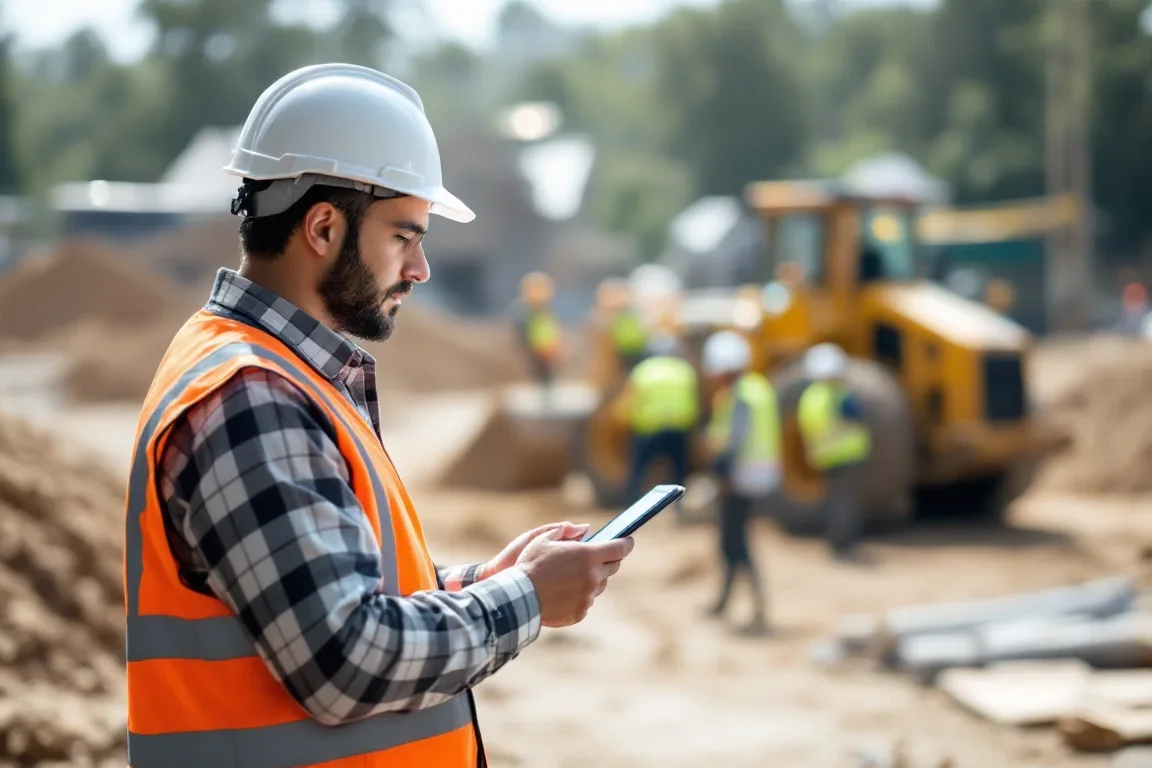
Workplace injuries cost New Zealand businesses millions of dollars every year in ACC levies, lost productivity, and disrupted operations. Despite decades of health and safety regulation, serious harm incidents continue to occur across construction, manufacturing, agriculture, and logistics. What is changing is the toolkit available to safety managers. Artificial intelligence is now being used to spot hazards before they cause harm, predict when equipment might fail, and train workers more effectively. For many organisations, these tools are proving more practical and affordable than expected.
The appeal is straightforward. Traditional safety approaches rely on incident reports and periodic inspections. Both are reactive. AI systems can monitor conditions continuously, identify patterns humans might miss, and flag risks in real time. That shift from reaction to prevention is where the real value sits.
Most workplace injuries follow patterns that become visible when you have enough data. AI models can analyse years of incident reports, near-miss logs, weather records, shift schedules, and equipment maintenance histories to identify combinations of factors that precede accidents. A construction firm might discover that slips and falls spike on certain sites during specific weather conditions, or that fatigue-related errors cluster around particular shift rotations.
With that knowledge, safety managers can adjust rosters, schedule additional briefings, or modify site procedures before conditions become dangerous. Some New Zealand forestry operations have started using predictive models to assess daily risk levels based on wind, soil moisture, and recent harvesting activity. The models do not make decisions, but they give supervisors better information when planning the day’s work.
WorkSafe NZ provides guidance on risk management principles that align well with these data-driven approaches. The regulator recognises that identifying hazards early is far more effective than investigating incidents after the fact.
Cameras combined with machine learning can now detect whether workers are wearing required protective equipment, whether forklifts are operating too close to pedestrians, or whether someone has entered a restricted zone. Unlike traditional CCTV that requires someone to watch monitors, these systems alert supervisors automatically when they spot a violation or a developing hazard.
On large construction sites, computer vision can track the movement of cranes and heavy machinery, warning operators if a worker walks into a swing radius. In warehouses, the technology can identify when pallets are stacked unsafely or when aisles are blocked. The systems are not perfect, and false alerts remain a challenge, but the accuracy improves as they process more data from a specific site.
Privacy considerations matter here. Employees need to understand what is being monitored and why. New Zealand’s Privacy Act sets clear expectations about collecting and using personal information in the workplace. Engaging with staff early and being transparent about how footage is used helps build trust rather than resentment.
Wearable devices can monitor heart rate, movement patterns, and environmental conditions to detect signs of fatigue or heat stress. For workers in remote locations or high-risk roles, this information can trigger alerts to supervisors or prompt the worker to take a break. Some logistics companies use smart caps or armbands that detect microsleeps in drivers, a significant concern on New Zealand’s long highways.
Fatigue is a well-known contributor to workplace accidents, particularly in industries with shift work or long driving hours. AI-powered systems that track sleep patterns and alertness levels can help organisations comply with fatigue management requirements while looking after their people. The goal is not surveillance for its own sake but ensuring workers get home safely.
Safety training has traditionally relied on classroom sessions, videos, and written assessments. These have their place, but retention is often poor. AI-powered training platforms can adapt to individual learning speeds, provide realistic simulations, and assess competency more accurately than a multiple-choice quiz.
Virtual reality combined with AI can put workers into dangerous scenarios without any real risk. A new employee at an aluminium smelter can practise responding to a gas leak. A linesperson can rehearse emergency procedures for working at height. The AI tracks their decisions, provides feedback, and identifies areas where they need more practice.
This approach is particularly useful for inducting new staff or refreshing skills after a long break. Rather than sitting through the same generic presentation every year, workers get training that targets their specific gaps.

AI safety tools are not plug-and-play. They require clean data, integration with existing systems, and ongoing maintenance. Smaller businesses may lack the internal expertise to implement them without support. Cost is also a factor, though prices are falling and some solutions are available on subscription models that spread the investment.
There is also the question of over-reliance. AI can support decision-making but should not replace human judgement entirely. A supervisor still needs to walk the site, talk to workers, and use experience to assess situations that data might not capture. The technology is a tool, not a substitute for good leadership and a strong safety culture.
Organisations should start with a clear problem they want to solve, such as reducing manual handling injuries or improving forklift safety, rather than adopting technology for its own sake. Piloting on a single site or team allows you to learn what works before rolling out more widely.
For New Zealand businesses considering AI for workplace safety, the first step is understanding your own incident data. What are the most common injuries? Where do they occur? What conditions contribute? With that baseline, you can evaluate whether AI tools address your specific risks.
Talk to industry peers who have already adopted these systems. Attend health and safety conferences or engage with your industry association. Many vendors offer trials or demonstrations that let you see how the technology performs in your environment.
Finally, involve your workers in the process. They know the hazards better than anyone and will spot practical issues that managers miss. When people feel that new technology is there to protect them rather than monitor them, adoption is far smoother.
AI is not a silver bullet for workplace safety, but it is a valuable addition to the tools available. From predicting hazards to monitoring conditions and delivering better training, these technologies help organisations move from reacting to preventing. For New Zealand businesses serious about sending their people home safe, it is worth exploring what AI can offer.
This article is proudly brought to you by the Digital Frontier Hub, where we explore tomorrow’s business solutions and cutting-edge technologies. Through our in-depth resources and expert insights, we’re dedicated to helping businesses navigate the evolving digital landscape across New Zealand and beyond. Explore our latest posts and stay informed with the best in Artificial Intelligence, E-commerce, Cybersecurity, Digital Marketing & Analytics, Business Technology & Innovation, and Cloud Computing!