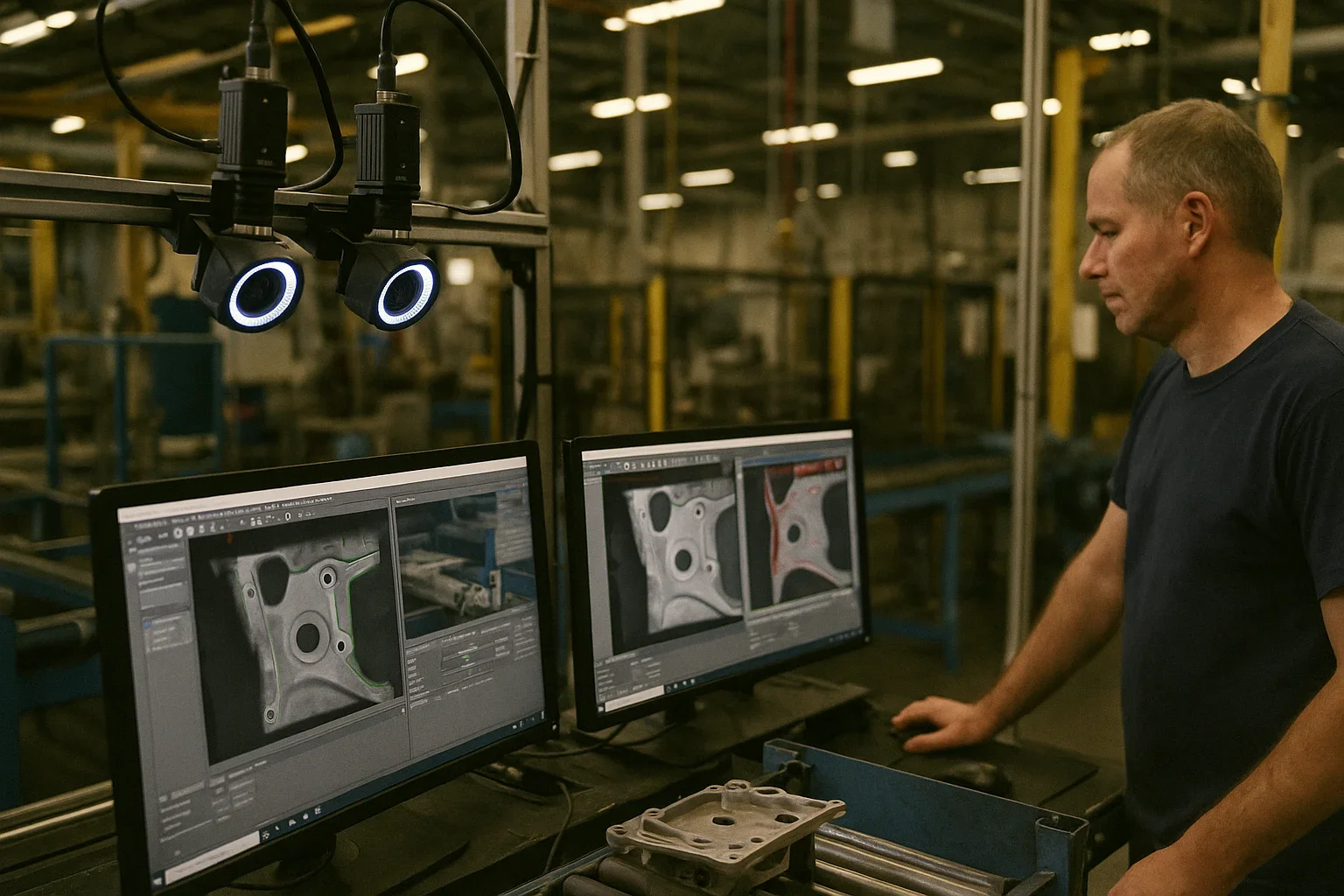
Computer vision technology has emerged as one of the most practical applications of artificial intelligence for New Zealand businesses. By enabling machines to interpret and analyse visual information from the world around them, computer vision systems can automate complex tasks that previously required human oversight. From manufacturing quality control to retail customer analytics, this technology is transforming how Kiwi companies operate across diverse industries.
The technology combines advanced image processing algorithms with machine learning models to extract meaningful insights from visual data. Modern computer vision systems can identify objects, detect anomalies, track movements, and even interpret human behaviour patterns. For New Zealand businesses looking to improve efficiency and reduce operational costs, computer vision offers tangible benefits that can be measured in both time savings and improved accuracy.
What makes computer vision particularly appealing for local businesses is its versatility and increasingly accessible implementation options. Cloud-based computer vision services have reduced the technical barriers to entry, allowing companies of all sizes to experiment with and deploy these solutions without significant upfront infrastructure investment.
In New Zealand’s manufacturing sector, computer vision systems excel at identifying product defects that human inspectors might miss. These systems can examine products at speeds far exceeding human capability while maintaining consistent quality standards throughout production runs. A typical computer vision quality control system can process hundreds of items per minute, identifying scratches, dents, colour variations, or dimensional inconsistencies with remarkable precision.
Food processing companies across New Zealand have particularly benefited from computer vision implementations. These systems can sort produce based on size, colour, and ripeness while simultaneously detecting foreign objects or contamination. The technology proves especially valuable in facilities processing export products, where maintaining consistent quality standards is essential for international market reputation.
Packaging operations represent another area where computer vision delivers immediate value. Systems can verify that products are correctly positioned in packaging, ensure labels are properly applied, and confirm that packaging integrity meets specifications. This automated verification reduces waste, prevents costly recalls, and ensures customer satisfaction.
Retail businesses are discovering numerous applications for computer vision technology that enhance both operational efficiency and customer experience. Inventory management systems using computer vision can automatically track stock levels, identify when shelves need restocking, and even detect misplaced items. This real-time inventory awareness helps retailers maintain optimal stock levels and reduces the likelihood of stockouts.
Customer behaviour analysis through computer vision provides retailers with valuable insights into shopping patterns. These systems can track customer movement through stores, identify which displays attract attention, and analyse queue lengths to optimise staff scheduling. The technology can also detect demographic information about shoppers, enabling targeted marketing displays and personalised shopping experiences.
Self-checkout systems enhanced with computer vision technology can identify products more accurately than traditional barcode scanning. These systems can recognise fresh produce, verify that scanned items match what customers are purchasing, and detect potential theft attempts. This enhanced accuracy reduces shrinkage while improving the customer checkout experience.
Security applications in retail environments have also evolved significantly. Modern computer vision systems can distinguish between normal customer behaviour and potential security threats, reducing false alarms while ensuring genuine incidents receive prompt attention. These systems can track individuals throughout store premises and identify unusual behaviour patterns that warrant investigation.
New Zealand’s healthcare sector is beginning to explore computer vision applications that could improve patient outcomes and operational efficiency. Medical imaging analysis represents one of the most promising areas, where computer vision systems can assist radiologists in identifying abnormalities in X-rays, CT scans, and MRI images. These systems don’t replace medical professionals but serve as sophisticated second opinions that can catch details human eyes might overlook.
Patient monitoring applications use computer vision to track patient movement and detect falls or other medical emergencies in hospital settings. These systems can operate continuously without fatigue, providing an additional layer of safety for patients while reducing the workload on nursing staff. The technology can also monitor patient compliance with prescribed exercises during rehabilitation programmes.
Pharmaceutical applications include pill counting and verification systems that ensure prescription accuracy. Computer vision can identify different medications, count quantities, and verify that the correct drugs are being dispensed to patients. This automation reduces human error in pharmacy operations while improving prescription processing speed.
The transportation and logistics sector presents numerous opportunities for computer vision implementation. Fleet management systems can monitor driver behaviour, detect signs of fatigue, and ensure compliance with safety regulations. These systems analyse driver attention levels and can provide alerts when intervention is needed to prevent accidents.
Warehouse operations benefit significantly from computer vision automation. Systems can guide robotic picking systems, verify package contents, and ensure accurate sorting operations. The technology can also read damaged or obscured shipping labels, reducing delays in package processing. Automated damage detection systems can photograph and catalogue package condition throughout the shipping process.
Parking management represents another practical application area. Computer vision systems can monitor parking spaces, detect violations, and guide drivers to available spots. These systems reduce the need for human parking enforcement while improving space utilisation efficiency.

Successful computer vision implementation requires careful planning and consideration of specific business requirements. Companies should begin by identifying clear use cases where computer vision can address existing operational challenges or improve efficiency. The MBIE provides resources for businesses exploring digital transformation initiatives that include artificial intelligence applications.
Data quality and quantity represent critical factors in computer vision success. Systems require substantial amounts of high-quality training data to achieve reliable performance. Businesses should assess their ability to collect and maintain the visual data necessary for system training and ongoing improvement. Poor lighting conditions, camera positioning, and image quality can significantly impact system performance.
Privacy and compliance considerations are particularly important for computer vision implementations that involve recording people or sensitive information. New Zealand businesses must ensure their systems comply with privacy legislation while maintaining employee and customer trust. Clear policies about data collection, storage, and usage should be established before system deployment.
Integration with existing business systems requires technical planning to ensure computer vision solutions work effectively with current workflows. Cloud-based solutions often provide easier integration options, but businesses should evaluate connectivity requirements and data transfer costs. The choice between cloud-based and on-premises solutions depends on factors including data sensitivity, internet reliability, and ongoing operational costs.
Computer vision implementations typically require significant upfront investment in hardware, software, and training. However, the technology often delivers measurable returns through reduced labour costs, improved quality control, and enhanced operational efficiency. Businesses should develop detailed cost-benefit analyses that account for both direct savings and indirect benefits like improved customer satisfaction or reduced liability.
Many New Zealand companies start with pilot projects to test computer vision applications before full-scale deployment. These smaller implementations allow businesses to understand the technology’s capabilities and limitations while building internal expertise. Successful pilot projects can then be scaled up or replicated in other areas of the business.
Training and change management represent often-overlooked costs in computer vision implementation. Staff members need training on new systems, and organisational processes may require adjustment to accommodate automated workflows. Businesses should budget for these human factors alongside technical implementation costs.
Computer vision technology offers New Zealand businesses practical solutions for improving operational efficiency, reducing costs, and enhancing customer experiences. While implementation requires careful planning and investment, the technology’s versatility and proven applications across multiple industries make it an attractive option for forward-thinking companies. Success depends on identifying clear use cases, ensuring adequate data quality, and managing the integration process effectively to realise the full potential of computer vision in business operations.
This article is proudly brought to you by the Digital Frontier Hub, where we explore tomorrow’s business solutions and cutting-edge technologies. Through our in-depth resources and expert insights, we’re dedicated to helping businesses navigate the evolving digital landscape across New Zealand and beyond. Explore our latest posts and stay informed with the best in Artificial Intelligence, E-commerce, Cybersecurity, Digital Marketing & Analytics, Business Technology & Innovation, and Cloud Computing!
Wendy P. says:
The retail analytics angle is where I see immediate ROI for NZ operators. Most businesses we work with are still manually reviewing footage or relying on basic traffic counts. A computer vision system that can track customer dwell time and product engagement in real time gives you data you can actually act on within the same trading day. That’s the kind of operational lift that justifies the investment.
Graham Scott says:
Solid point on the ROI angle. Real-time dwell time data does shift things from guesswork to actual numbers you can work with same day. One thing worth watching though: garbage in, garbage out still applies. If your camera setup misses product interactions because of angles or lighting, or you’re tracking the same person multiple times, you’re making decisions on dodgy data. Have seen a few retailers burn budget before realising their setup wasn’t capturing what they thought it was. Worth doing a proper audit of your store layout